A Complete Guide to Construction Trades
04 Mar, 2026


The Electrotechnical Assessment Specification (EAS) is the framework used by Certification B...
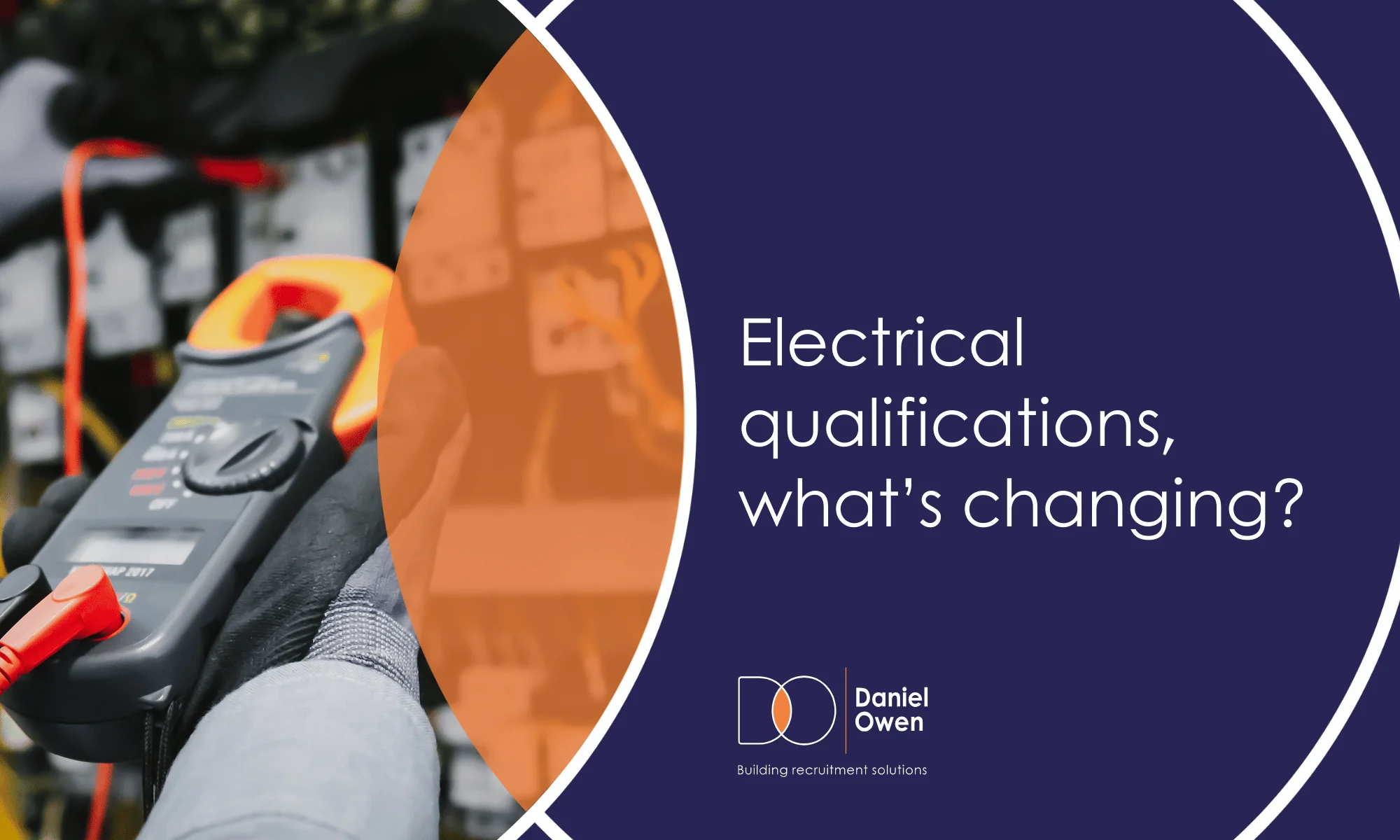
The Electrotechnical Assessment Specification (EAS) is the framework used by Certification Bodies such as NICEIC, NAPIT and ELECSA to assess electrical competence. The latest update tightens rules for periodic inspection and testing and for low-carbon installations.
From October 2026, anyone completing periodic inspection and testing must hold recognised qualifications and show ongoing CPD. Experience alone will not keep this work in scope.
Low-carbon work now sits within four defined categories:
Low Carbon Category | Required Qualification Level |
EV Charging Equipment | Level 3 or Equivalent |
Solar PV Systems | Level 3 or Equivalent |
Electrical Energy Storage Systems (EESS) | Level 3 or Equivalent |
Micro Wind Turbines | Level 3 or Equivalent |
A general background in renewables will not meet the new requirements.
Certification Bodies can introduce these rules early, but all must fully apply them by October 2026.
If your workforce cannot demonstrate the required training, your scope for low-carbon installation and periodic inspection work will be limited.
Low-carbon technologies are now central to the UK’s housing and infrastructure plans, but they are far more complex than traditional electrical work.
EV charging, solar PV and battery storage operate at higher power levels. They combine generation, storage and export. They also introduce new fire, isolation and system-integration risks.
Alongside the wider post-Grenfell shift toward clearer definitions of competence and accountability, industry and government now expect technology-specific qualifications rather than general electrical experience.
The scale of growth explains the urgency. UK public EV charge points increased by around 27 per cent in one year and now exceed 82,000 devices, with numbers expected to pass 90,000 by the end of 2025. Solar is expanding at a similar pace.
The UK has around 1.7 million solar installations, and the proportion of new-build homes fitted with solar has risen from 13 per cent to roughly 42 per cent in a single year. Government plans could more than double national solar capacity by 2030.
This growth already exceeds the supply of suitably qualified low-carbon electricians. Clean energy expansion is expected to support around 400,000 additional UK jobs by 2030.
The EAS update is designed to build a workforce that can meet this demand safely, consistently and at scale.
Electrical contractors and sole traders registered with NICEIC, NAPIT, or ELECSA will be the first to feel this. They will need technology-specific qualifications in EV charging, solar PV, EESS and micro wind, along with formal qualifications for inspection and testing.
MCS installers will also see significant changes. They can’t act as the Nominated Technical Person for solar or battery projects without the required technology-specific awards. This affects access to finance-linked schemes and renewable frameworks.
Clients such as social landlords, local authorities, developers and FM providers must also adapt. They will need to verify that contractors can demonstrate the required low-carbon qualifications, not just general electrical experience.
Hiring? Submit a vacancy and hire qualified, compliant workers >>
From October 2026, low-carbon competence becomes a licence to operate.
Businesses without the right qualifications risk losing access to EV, solar, storage, and micro-wind works. This can remove higher-margin projects and block entry into major frameworks.
But the opportunity for businesses is strong; public charging is growing at roughly 30 per cent each year, and rooftop solar installations are breaking records. Firms that build qualified low-carbon teams now will stay compliant and be well placed to win the most valuable work.
Daniel Owen is already helping businesses prepare for the October 2026 deadline.
We supply compliant electricians and supervisors with qualifications in EV charging, solar PV, EESS and micro-wind. Core credentials such as ECS or CSCS, AM2 and inspection are also verified.
Contact us today and start planning your workforce before it’s too late.
By October 2026, if your workforce isn’t qualified, you’re out of scope.
EV infrastructure and solar deployment are already growing at double-digit annual rates. Public charge points have increased by more than a quarter in the past year.
Businesses that act early, align their workforce with EAS requirements and secure the right talent will be in the strongest position.